
The division of agricultural land in the Drawsko county is causing increasing disagreements. Farmers are sounding the alarm that the current tender system – previously established by farmers, the agricultural chamber, and KOWR – favors the largest players and permits circumventing regulations. There are even opinions suggesting that „tender migration” might be occurring.
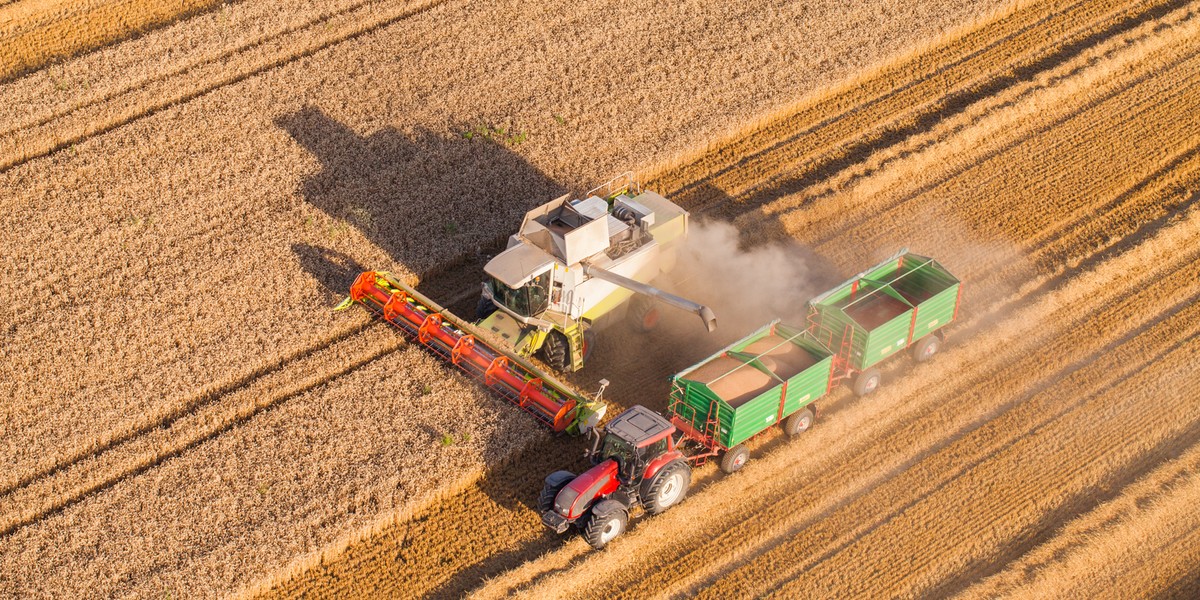
The issue of tenders – both open offers and auctions – concerning agricultural land in the Drawsko county is a major concern for the farmers of this region. At the heart of the disputes is KOWR (National Support Centre for Agriculture), which attempts to divide lands into plots of approximately 20 hectares.
Continued article below the video content How to manage family succession well
The method of distributing state-owned land is crucial for the development of local farms and food security. As reported by „Tygodnik Rolniczy,” accusations of „tender migration,” inflated rents, and fictitious land use are emerging in the background.
Tenders for land from KOWR are causing emotions. Farmers feel helpless
According to the explanations in „Tygodnik Rolniczy,” 70 percent of the land is allocated to farmers through open tenders, and 30 percent through auctions – this is a result of consultations between KOWR, the local agricultural chamber, and the farmers themselves. However, voices are increasingly being raised suggesting the system is not watertight. Farmers from other regions manage to register their place of residence a month before the tender to gain additional points.
Damian Pacek, a farmer from the Drawsko Pomorskie commune, quoted by „Tygodnik Rolniczy,” points out that he has witnessed situations where farmers from villages even 20 km away have managed to register their residence in the Drawsko county less than a month before the tenders. All this in order to obtain extra points in the bidding race.
Land tenders are controversial. Farmers speak of fictions
As explained by „Tygodnik Rolniczy,” in auctions, the highest bidder wins. Often, these are proxy individuals or farmers with substantial capital. Rents reach up to 3,000 PLN per hectare, which excludes smaller farmers. Furthermore, formal divisions of land within families allow for circumventing the 300-hectare limit.
Excessively high rents and unclear criteria can exclude smaller farmers from the market. This, in turn, leads to the concentration of land in the hands of a few and limits the opportunities for young farmers to develop.
Farmers are advocating for the introduction of a maximum rent rate and for tightening the scoring criteria. They also want KOWR to better monitor the actual use of the land and verify agricultural production, not just formal requirements. Without changes, the system will continue to favor the largest and most enterprising, at the expense of local farms.
Thank you for reading our article to the end. Stay up to date! Follow us on Google.